
Jennifer Moss
Acupuncturist | Owner
Jennifer is the owner of Moss Acupuncture, a San Francisco Acupuncture and Traditional Chinese Medicine clinic. Moss Acupuncture is a general TCM practice employing the methods of acupuncture, herbal medicine, western nutritional supplements, dietary recommendations, and reiki.
As an acupuncturist and primary health care practitioner, Jennifer has seen patients with a wide variety of conditions for over 13 years. Additionally, Jennifer frequently treats patients for fertility and conception, pregnancy-related issues, pain and injuries, fatigue, stress and anxiety, menstrual irregularities, PMS, and digestive disorders.
Certification
Jennifer is currently certified to practice Acupuncture and Chinese Herbology both nationally by the National Certification Commission for Acupuncture and Oriental Medicine and by the State of California.
Jennifer has been certified to practice Usui Reiki since 1995.


Fertility Acupuncture
Jennifer is a professional member of the national infertility organization, RESOLVE, and the American Association of Accupuncture and Oriental Medicine (AAAOM). She has had advanced training and specialized education in treating infertility and obstetrics with Traditional Chinese Medicine.
Jennifer is one of a select few San Francisco Bay Area practitioners to demonstrate sufficient competency and advanced knowledge in the field of both Western and Oriental Reproductive Medicine to become a Certified Practitioner and Fellow of the American Board of Oriental Reproductive Medicine (FABORM).
In 2007, Jennifer co-founded the acupuncture group at Pacific Fertility Center (PFC), a world-renowned San Francisco Assisted Reproductive Therapy Clinic. Jennifer provides fertility acupuncture treatments to patients who are undergoing assisted reproductive therapies at PFC in San Francisco as well at the University of California San Francisco (UCSF) and many other private fertility clinics.



Facial and Cosmetic Acupuncture
Jennifer has received advanced training and specialized education in Acupuncture Facial Rejuvenation and Cosmetic Acupuncture including advanced certification from Mary Elizabeth-Wakefield. Jennifer currently treats men and women with cosmetic facial rejuvenating acupuncture for wrinkles, sagging, puffiness, and other skin problems.
Education
Jennifer Moss graduated magna cum laude from the University of Vermont with a Bachelor of Science degree in 1998, studying environmental science and life sciences.
In 1998, Jennifer moved to San Francisco to pursue graduate study in Traditional Chinese Medicine. In 2001, Jennifer graduated at the top of her class in the four-year Masters program offered by the American College of Traditional Chinese Medicine.

Interests
Outside of her practice, Jen loves hiking, Yoga, walking her German Shepherd and all things Philadelphia.

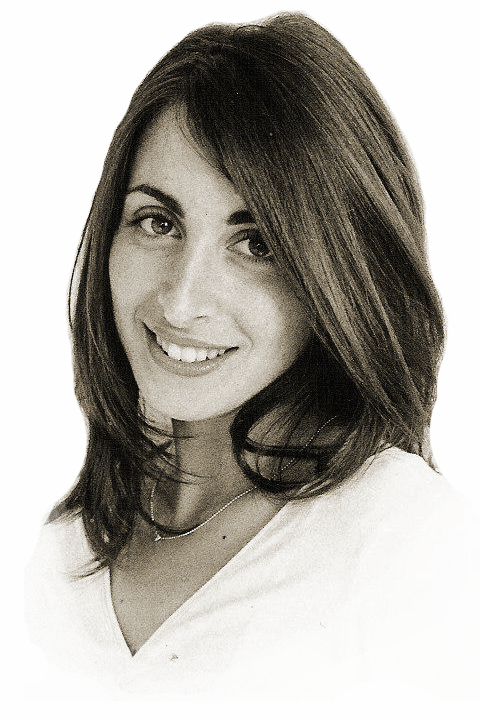
Jennifer MossM.S., L.Ac., Dipl. Ac., C.H. (NCCAOM)®, FABORMCalifornia Licensed Acupuncturist and Herbologist415-244-4412jennifer@mossacupuncture.com


Testimonials
 I would highly recommend Jennifer Moss as your TCM provider for fertility problems.
I can't recommend Jen Moss highly enough.
Acupuncture with Jennifer Moss was absolutely the best bodywork I've ever had. After just one session to treat the increasing pain of my TMJ, I
walked--no, floated!--out of Jen's office feeling completely transformed. As a healer, she is
intuitive, compassionate, and intelligent. How reassuring to
know I'm in such good hands!
So far, in my few months of treatments, I have lost weight, my asthma is under control, my migraines are gone, and my stress level is considerably reduced.
I can't recommend Jen Moss highly enough.
I have experienced Jen's work as a client and I've referred many of my own clients to her. I can speak from both places, as a client and a colleague, on her behalf. Jen is an ardent listener; as her client she takes all of my concerns seriously and provides excellent care. Jen improved the gastrointestinal discomfort and digestive difficulties I had through her expertise in herbal medicine and acupuncture. She is both compassionate and direct, and both qualities are valuable in a health care provider.
Jennifer went thoroughly over my medical history, listened to me and understood my frustration with being in pain. She is a very compassionate and wonderful person. She made me feel very comfortable. After a few months of treatments with her, my pain has subsided immensely.
Luckily I found Jennifer Moss as my acupuncturist! I'm a 43 year old woman with a healthy baby boy. ... after several months of trying to conceive on my own, I decided to try acupuncture to help with my fertility. In February of 2007 I became pregnant and delivered a healthy little boy this last November.
